

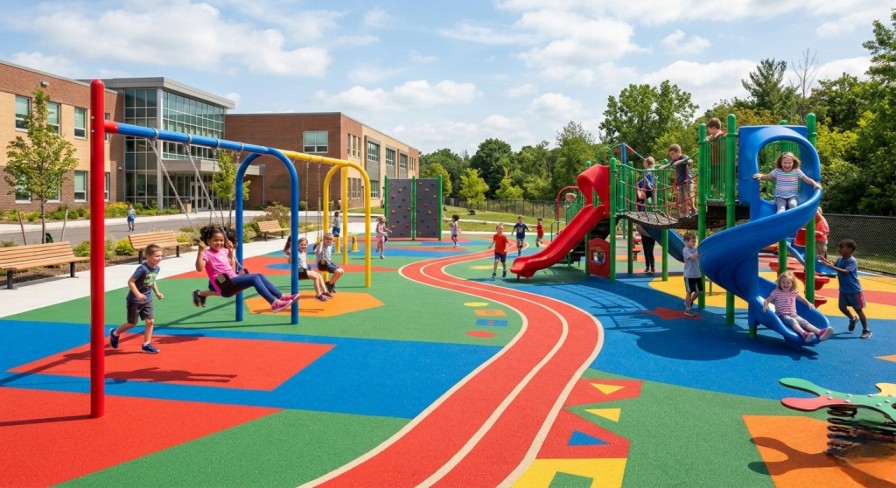
Playgrounds are meant to be fun, safe, and engaging environments for children. However, safety is one of the most important aspects when designing a playground. Hard surface like concrete or asphalt can lead to serious injuries when children fall during play.
This is where EPDM flooring becomes an excellent solution. Today, EPDM playground surfaces are widely used in Schools, parks, residential communities, and public recreational area because they provide safety, durability, and vibrant aesthetic.
In this detailed guide, we will explore what EPDM flooring is, its benefits, how it works, and why it is the preferred flooring option for playgrounds.
🟢 What Is EPDM Flooring?
EPDM stands for Ethylene Propylene Diene Monomer, a type of synthetic rubber material widely used in outdoor flooring applications.
It is manufacture using a combination of rubber granules and polyurethane binders to create a flexible, shock-absorbing surface that can withstand heavy usage and outdoor weather conditions.
EPDM flooring is commonly installed in areas such as:
- 🏫 School playgrounds
- 🌳 Public parks
- 🏠 Residential play areas
- 🏋️ Outdoor gyms
- 🏃 Running tracks
- 🎢 Amusement parks
One of the biggest advantages of EPDM flooring is that it creates a seamless and cushioned surface, which significantly reduces injury risks when children fall.
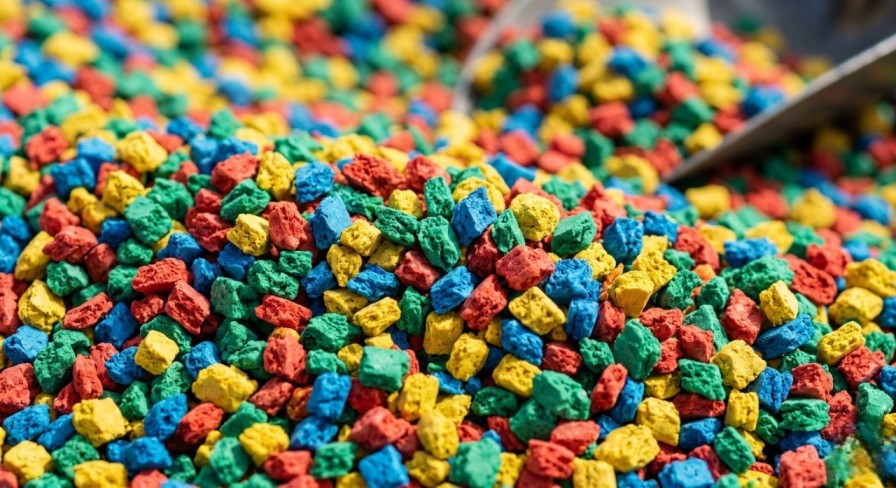
🟢 Key Features of EPDM Playground Flooring
EPDM flooring is know for its high performance and long-lasting durability. Below are some of the key features that make it a preferred choice for playgrounds.
✔ Shock Absorption
Children often fall while running or playing. EPDM surfaces absorb impact and reduce the chances of injuries.
✔ Weather Resistance
EPDM flooring can withstand extreme heat, rain, and UV rays without cracking or fading.
✔ Slip-Resistant Surface
The rubberized texture provides excellent grip, even during wet conditions.
✔ Colorful and Customizable
EPDM flooring is available in multiple vibrant colors, making playgrounds visually attractive and engaging for children.
✔ Long Lifespan
When installed properly, EPDM surfaces can last 8-15 years with minimal maintenance.
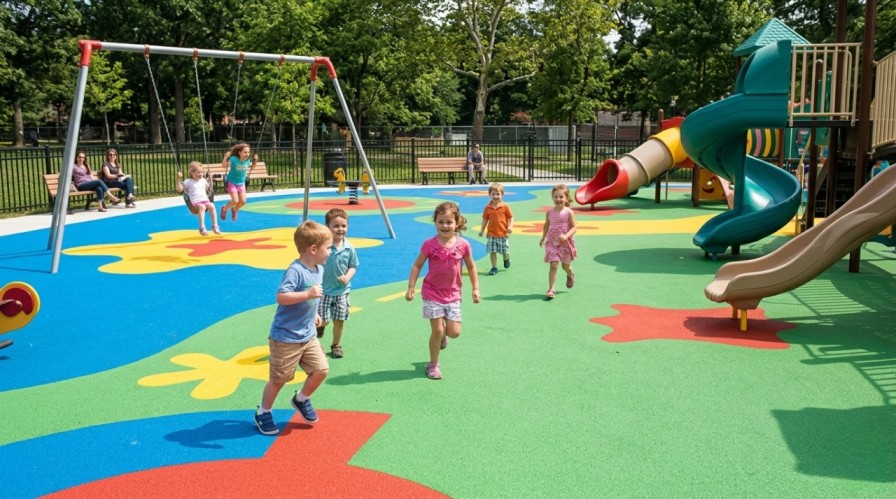
🟢 Why EPDM Flooring Is Ideal for Playgrounds
There are many reasons why EPDM flooring is considered the best surface for playgrounds. Let’s explore the main benefits.
🛡️ 1. Superior Safety for Children
Safety is the top priority in any playground design.
EPDM flooring is a soft and impact-absorbing surface, which significantly reduces injuries from falls. It complies with international safety standards used in playground construction.
This makes it ideal for area around:
- Slides
- Swings
- Climbing frames
- Monkey bars
🌦️ 2. Excellent Weather Durability
Outdoor playground surfaces are constantly exposed to weather conditions such as:
- Sunlight
- Rain
- Temperature changes
EPDM rubber is UV-stable and weather resistant, meaning it does not easily crack, fade, or degrade over time.
🎨 3. Attractive and Colorful Designs
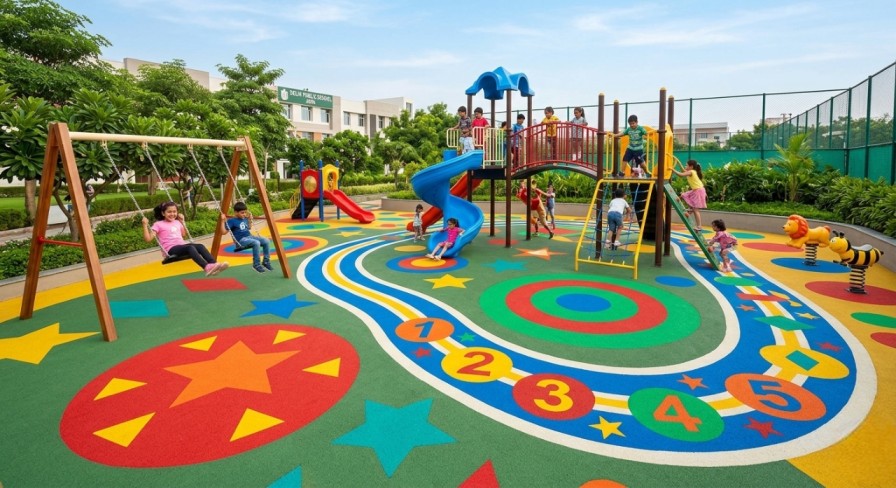
EPDM flooring allows designers to create creative playground patterns such as:
- Colorful shapes
- Educational graphics
- Running tracks
- Game zones
This helps make playgrounds more engaging and visually appealing for children.
🧹 4. Low Maintenance Requirements
Compared to traditional surfaces, EPDM flooring requires very little maintenance.
Basic maintenance includes:
- Sweeping debris
- Washing with water
- Occasional cleaning with mild detergent
This makes it a cost-effective long-term investment for schools and parks.
🌱 5. Eco-Friendly Material
EPDM flooring is considered environmentally friendly because:
- It is made from recyclable rubber materials
- It has a long lifespan
- It reduces the need for frequent replacements
Many modern playgrounds projects prioritize sustainable materials, making EPDM an excellent choice.
🟢 Comparison: EPDM Flooring vs Other Playground Surfaces
| Feature | EPDM Flooring | Concrete | Artificial Grass | Sand |
| Safety | Excellent shock absorption | Very hard | Moderate | Good but uneven |
| Durability | 8-15 years | 20+ years but unsafe | 5-8 years | Needs frequent refill |
| Maintenance | Low | Low | Medium | High |
| Weather Resistance | Excellent | Good | Moderate | Poor during rain |
| Visual Appeal | Highly customizable | Plain | Natural look | Limited |
| Slip Resistance | High | Low | Moderate | Moderate |
From this comparison, it is clear that EPDM flooring offers the best balance of safety, durability, and aesthetics.
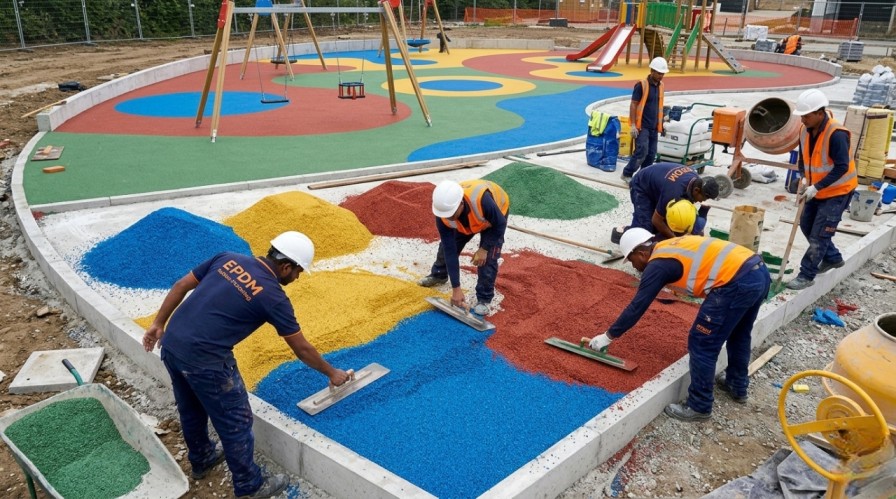
🟢 How EPDM Playground Flooring Is Installed
The installation process of EPDM flooring involves several steps to ensure durability and safety.
Step 1: Surface Preparation
A strong base such as concrete or asphalt is prepared.
Step 2: Base Rubber Layer
A layer of SBR rubber granules is installed for cushioning.
Step 3: EPDM Top Layer
Colored EPDM granules mixed with polyurethane binders are applied on top.
Step 4: Finishing
The surface is leveled and allowed to cure for 24-48 hours.
Once completed, the result is a smooth, seamless, and durable playground surface.
🟢 Where EPDM Flooring Is Commonly Used
EPDM rubber flooring is suitable for many outdoor environments.
Common applications include:
- 🏫 School Playgrounds
- 🌳 Public parks
- 🏢 Residential Societies
- 🎡 Amusement parks
- 🏃 Athletic tracks
- 🏋️ Outdoor gyms
Its versatility and durability make it one of the most reliable flooring option for recreational spaces.
🟢 Tips for Choosing the Right EPDM Flooring
When selecting EPDM flooring for a playground, consider the following factors:
✔ Thickness of the flooring
✔ Quality of EPDM granules
✔ UV resistance
✔ Certified installation professionals
✔ Safety standards compliance
Choosing the right materials and installers ensures maximum durability and safety.
❓Frequently Asked Questions (FAQs)
1. What does EPDM stand for in flooring?
EPDM stands for Ethylene Propylene Diene Monomer, a synthetic rubber material commonly used for playground surfaces, sports tracks, and outdoor flooring due to its durability and flexibility.
2. Is EPDM flooring safe for playgrounds?
Yes, EPDM flooring is considered one of the safest playground surfaces. It provides excellent shock absorption, which helps reduce the risk of injuries when children fall while playing.
3. How long does EPDM playground flooring last?
With proper installation and basic maintenance, EPDM flooring can last 8 to 15 years or even longer depending on usage and environmental conditions.
4. Is EPDM flooring suitable for outdoor use?
Yes. EPDM rubber is highly resistant to UV rays, and temperature changes, making it ideal for outdoor playgrounds, parks, and sports area.
5. What thickness is recommended for playground EPDM flooring?
The recommended thickness usually ranges from 10mm to 40mm, depending on the type of playground equipment and the required safety standards.
6. Is EPDM flooring slip-resistant?
Yes, EPDM flooring provides a textured, non-slip surface, which helps prevent slipping even during wet conditions.
7. Can EPDM flooring be customized with different colors?
Absolutely. EPDM flooring is available in a wide range of vibrant colors, allowing designers to create patterns, shapes, and educational designs for playgrounds.
8. Is EPDM flooring environmentally friendly?
Yes, EPDM rubber flooring is considered eco-friendly because it is durable, recyclable, and reduces the need for frequent replacements.
9. How is EPDM flooring installed?
EPDM flooring is installed in layers. Typically, a base layer of rubber granules is applied first, following by a colored EPDM top layer mixed with polyurethane binders to create a seamless surface.
10. Does EPDM flooring require regular maintenance?
EPDM flooring requires minimal maintenance. Regular sweeping and occasional washing with water are usually enough to keep the surface clean.
11. Is EPDM flooring waterproof?
Yes, EPDM rubber is water-resistant, which prevents water damage and helps maintain the integrity of the flooring even during heavy rain.
12. Where can EPDM flooring be used besides playgrounds?
EPDM flooring is commonly used in:
- Running tracks
- Outdoor gyms
- Parks
- Schools
- Residential play areas
- Amusement parks
13. Can EPDM flooring crack in extreme weather?
No, high-quality EPDM flooring is designed to be flexible and weather-resistant, preventing cracks even in extreme heat or cold conditions.
14. Is EPDM flooring better than concrete for playgrounds?
Yes. Compared to concrete, EPDM flooring provides better cushioning, safety, and slip resistance, making it much safer for children.
15. How much does EPDM playground flooring cost?
The cost of EPDM flooring depends on several factors such as area size, thickness, design complexity, and installation requirements.
16. Does EPDM flooring fade in sunlight?
High-quality EPDM rubber granules are UV-stable, which means they maintain their color and durability even after prolonged exposure to sunlight.
17. Is EPDM flooring suitable for schools?
Yes, EPDM flooring is widely used in Schools and educational institutions because it provides a safe and durable play environment for children.
18. Can EPDM flooring be repaired if damaged?
Yes. If a small section gets damaged, it can usually be repaired or replaced without removing the entire surface.
19. Is EPDM flooring hygienic for playgrounds?
Yes. EPDM flooring does easily accumulate dust or mud, making it cleaner and more hygienic compared to sand or soil surfaces.
20. Why is EPDM flooring becoming popular in modern playgrounds?
EPDM flooring is becoming popular because it offers superior safety, durability, aesthetic appeal, and low maintenance, making it an ideal solution for modern playground infrastructure.