
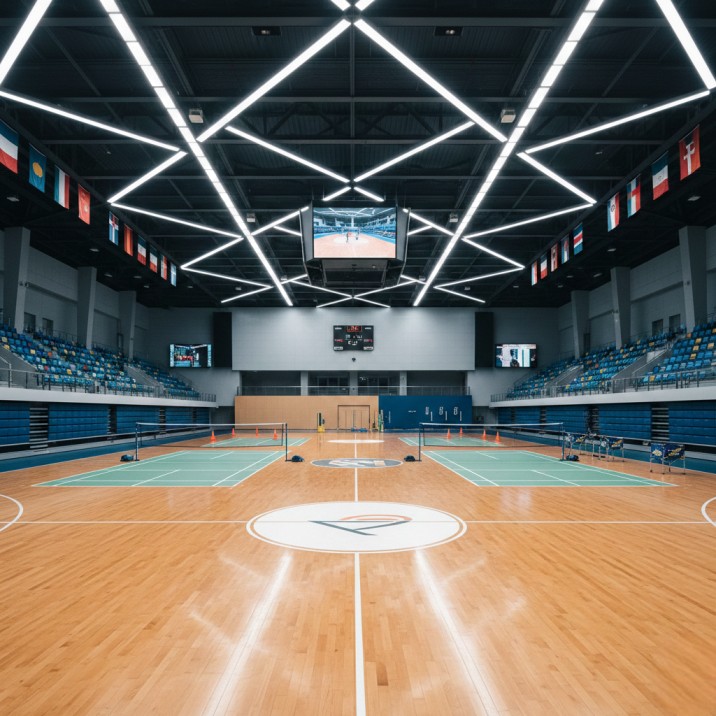
In today’s competitive sports environment, flooring is no longer just a surface – it is a performance system. Whether it’s a professional arena, school gymnasium, academy, or multi-sport complex, compliance with international standards ensures athlete safety, performance consistency, durability, and global acceptance.
For sports infrastructure companies like FIBA, BWF, and ITF, flooring certification is not optional – it is mandatory for hosting official competitions.
This comprehensive guide explains international sports flooring standards, compliance requirements, testing parameters, and why they matter for facility developers, architects, consultants, and institutional buyers.
📌 Why International Standards Matter🌍
International sports flooring standards are developed to ensure:
✅ Player safety
✅ Injury prevention
✅ Uniform playing experience
✅ Surface durability
✅ Fair competition
✅ Compliance for national & international tournaments
Non-compliant flooring can result in:
- Player injuries ⚠️
- Tournament disqualification ❌
- Legal liabilities ⚖️
- Financial losses 💰
🏀 1. FIBA Standards (Basketball Flooring)
Organization: FIBA
Applicable Sport: Basketball
Key Requirements:
- Shock absorption: 25% – 75% (EN 14808 testing)
- Vertical deformation limits
- Ball rebound >= 90% of concrete reference
- Slip resistance (EN 13036-4)
- Area elasticity compliance
- Certified manufacturer approval
Flooring Types Accepted:
- Wooden sports flooring systems
- Synthetic sports flooring (approved systems only)
Certification Category:
- FIBA Level1 (International competition)
- FIBA Level2 (National & regional events)

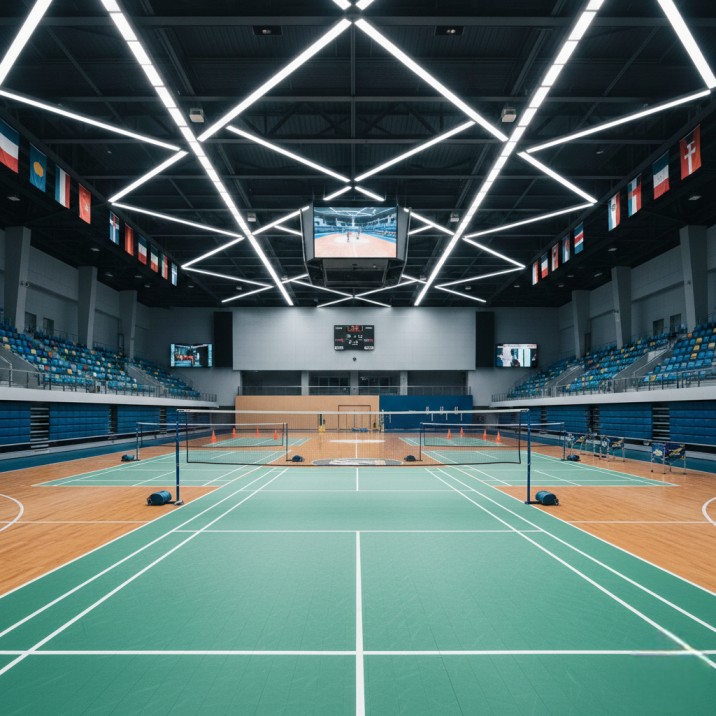
🏸2. BWF Standards (Badminton Flooring)
Organization: BWF
Applicable Sport: Badminton
Key Performance Criteria:
- Shock absorption (>= 35%)
- Vertical deformation 1.0 – 3.5 mm
- Surface friction control
- Evenness and flatness precision
- Approved PVC or Wooden systems
BWF also evaluates:
- Athlete impact protection 🦵
- Stability during quick directional movement
- Lighting reflection compatibility 💡
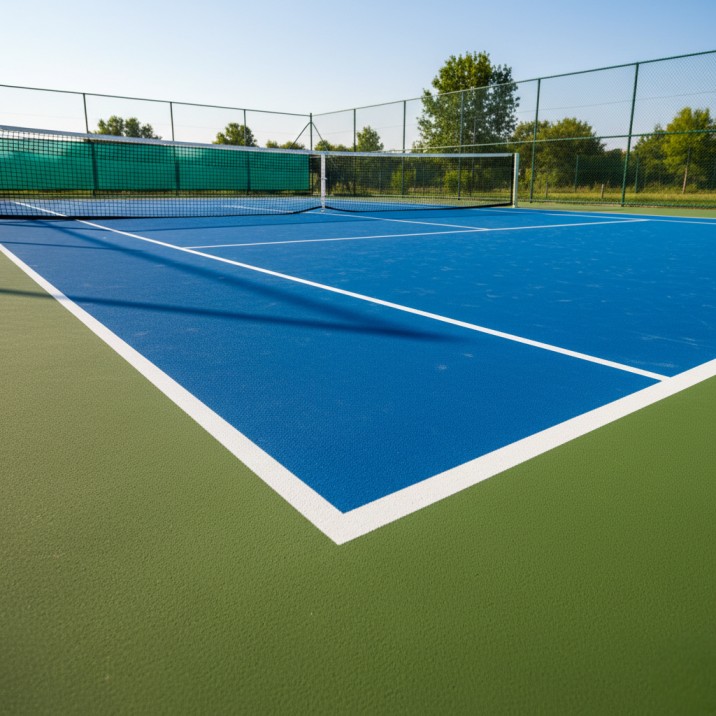
🎾3. ITF Standards (Tennis Courts)
Organization: ITF
Applicable Sport: Tennis
ITF classifies surfaces based on Court Pace Rating (CPR):
| ITF Category | Surface Speed |
| Category 1 | Slow |
| Category 2 | Medium-Slow |
| Category 3 | Medium |
| Category 4 | Medium-Fast |
| Category 5 | Fast |
Key Testing Parameters:
- Ball rebound consistency
- Surface pace measurement
- Slip resistance
- Weather resistance (for outdoor courts)
- UV durability ☀️
🏐 Other Important International Standards
🏐 FIVB (Volleyball)
Organization: FIVB
Requires shock absorption, friction control, and area elasticity compliance.
⚽ FIFA (Artificial Turf)
Organization: FIFA
Focuses on:
- Ball roll
- Ball rebound
- Rotational resistance
- Skin abrasion testing
📊 Comparison Table : International Sports Flooring Standards
| Parameter | FIBA (Basketball) | BWF (Badminton) | ITF (Tennis) | FIFA (Football Turf) |
| Shock Absorption | 25-75% | >= 35% | Surface dependent | Required |
| Ball Rebound | >= 90% | Moderate | CPR classified | Specific test values |
| Surface Friction | Controlled | High grip | Controlled | Rotational resistance |
| Certification Required | Yes | Yes | Yes | Yes |
| Indoor/Outdoor | Indoor | Indoor | Both | Outdoor |
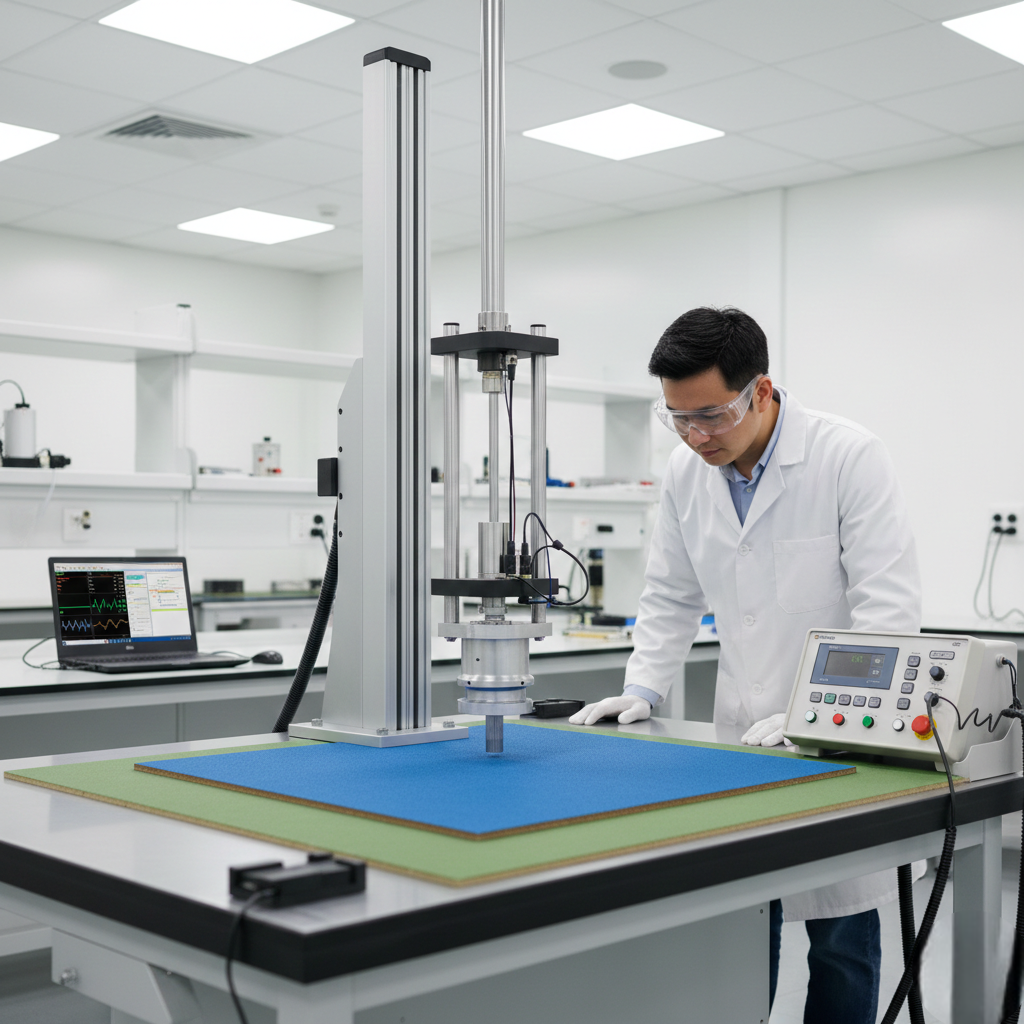
🧪Testing & Compliance Procedures🔬
International compliance involves laboratory and on-site testing:
✔️ Shock absorption test (EN 14808)
✔️ Vertical deformation test (EN 14809)
✔️ Ball rebound test
✔️ Surface friction test
✔️ Surface flatness measurement
✔️ Fire resistance testing🔥
✔️ Load-bearing evaluation
Testing is typically conducted by accredited laboratories in accordance with European Norm (EN) or ISO standards.
🏗️ Technical Considerations for Developers
When planning a certified sports facility:
- Subfloor moisture control
- Load-bearing slab design
- Proper expansion gaps
- Climate control (Indoor arenas)🌡️
- Professional installation team
- Warranty documentation
- Maintenance planning
⚖️ Legal & Compliance Considerations
✔️ Use only certified and approved systems
✔️ Maintain official documentation
✔️ Follow installation guidelines strictly
✔️ Conduct periodic inspection & maintenance
✔️ Ensure compliance before hosting tournaments
Important Disclaimer:
Standards may be revised periodically by governing bodies. Always consult the official technical manuals published by FIBA, BWF, ITF, FIFA, or relevant authorities before project execution.
❓Frequently Asked Questions (FAQs)
1.What is FIBA-Certified Flooring?
Ans:- It is a basketball flooring system tested and approved by FIBA for official competitions.
2. Is certification mandatory for school courts?
Ans:- Not mandatory, but recommended for safety and quality assurance.
3. How long does certification approval last?
Ans:- Depends on the governing body and manufacturer approval status.
4. Can synthetic flooring meet international standards?
Ans:- Yes, if tested and certified.
5. What is shock absorption in sports flooring?
Ans:- It measures how much impact force is reduced when athletes land.
6. Why is ball rebound testing important?
Ans:- It ensures fair and predictable gameplay.
7. What is vertical deformation?
Ans:- The surface compression level under load.
8. Can one surface meet multiple standards?
Ans:- Some multi-sport systems can, but certifications vary.
9. How often should sports flooring be inspected?
Ans:- At least annually or before major tournaments.
10. Are outdoor courts subject to different standards?
Ans:- Yes, weather resistance and UV stability are critical.
11. What is Court Pace Rating in Tennis?
Ans:- It classifies tennis surfaces by speed.
12. Is maintenance required for certification validity?
Ans:- Yes, poor maintenance may void compliance.
13. Are fire safety standards included?
Ans:- Yes, especially for indoor arenas.
14. Do international standards apply in India?
Ans:-Yes, for facilities hosting recognized events.
15. Can uncertified flooring host tournaments?
Ans:- Not for official sanctioned events.
16. What documents should facility owners maintain?
Ans:- Test reports, warranty, installation records.
17. Does certification increase project cost?
Ans:- Initial cost may increase but improves long-term ROI.
18. Can old courts be upgraded to meet standards?
Ans:- Yes, through resurfacing or system replacement.
19. Who performs compliance testing?
Ans:- Accredited laboratories.
20. How to verify if flooring is certified?
Ans:- Check official governing body listings.
🏁Conclusion
International sports flooring standards are not just technical benchmarks- they are safeguards for athlete safety, performance integrity, and facility credibility🏅
Whether developing a school gymnasium, national academy, or international arena, compliance with FIBA, BWF, ITF, and other governing bodies ensures:
✔️Global acceptance
✔️Professional quality
✔️ Reduced liability
✔️ Long-term durability
Investing in certified sport flooring is investing in performance, safety, and reputation.

Proudly powered by MSG SPORTS Infratek India LLP