
Acrylic Sports Flooring
Badminton
Basketball
EPDM
Pickleball
PP Tiles
PU Athletic Track
PVC
Tennis
Wooden Sports Floorings
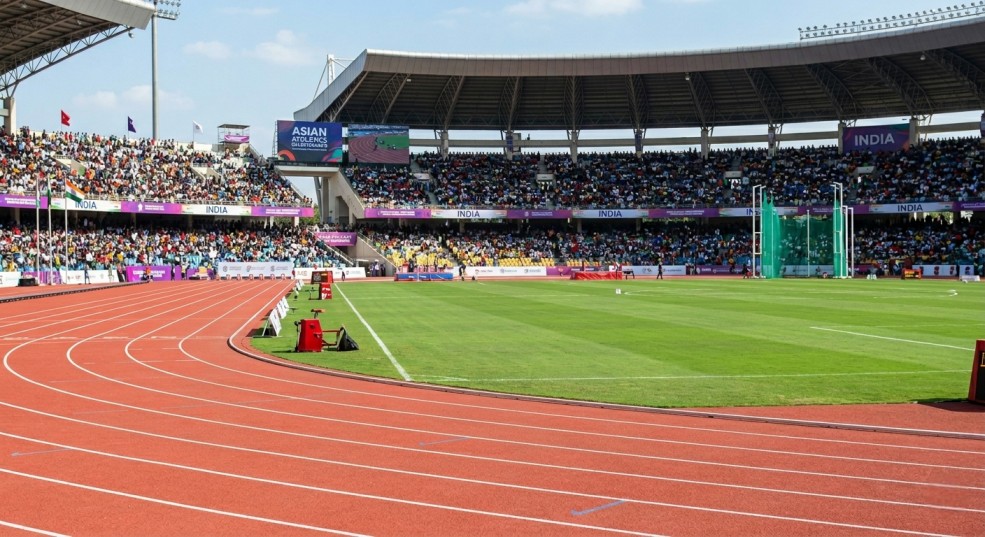
Running tracks are an essential part of sports infrastructure in India, found in schools, colleges, stadiums, and training academies. The quality of a running track directly affects athlete performance, safety, and durability.
🎯Why Running Track Surface Matters
✔ Improves athlete performance 🏆
✔ Reduces injury risk 🛡️
✔ Provide better grip and traction 👟
✔ Ensures long-term durability 💪
✔ Meets professional standards 📏
🧠 Key Factors to Consider
🛡️ Shock Absorption
Reduces stress on joints muscles.
🌦️ Weather Resistance
Important for outdoor tracks in Indian climate.
💰Budget
Costs vary widely depending on material.
🔧 Maintenance
Low-maintenance tracks are preferred for schools.
🏗️ Types of Running Track Surfaces
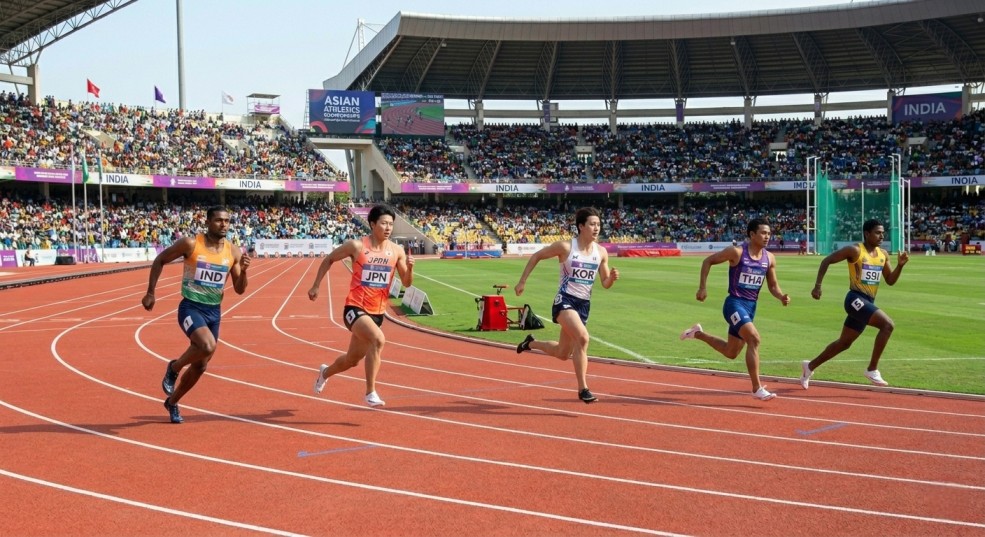
1.🔴Synthetic Running Tracks (PU)
✅ Features:
✔ High shock absorption
✔Anti-slip and durable
✔Suitable for professional use
✔ Weather-resistant
🎯Best For:
- Stadiums 🏟️
- Professional athletics
- Schools and universities
👉 These are the most popular and widely used tracks, especially in professional sports facilities.
2. 🟤Cinder Tracks
✅ Features:
✔ Made from crushed brick or coal
✔ Soft surface
🎯 Best For:
- Rural areas
- Low-budget projects
👉 These tracks are older and less common today, replaced by synthetic options.
3. 🟫 Natural Grass Tracks
✅ Features:
✔ Eco-friendly
✔ Soft Surface
🎯 Best For:
- Recreational use
- Schools with open fields
👉 Not suitable for professional athletics due to uneven surface.
4. 🟨 Sand Tracks
✅ Features:
✔ Soft and affordable
✔ Provides resistance training
🎯 Best For:
- Training purposes
- Fitness activities
👉 Not ideal for competitive running.
5. 🟪Polyurethane (PU) Running Tracks
✅ Features:
✔ Seamless surface
✔ High durability
✔ Excellent performance
🎯 Best For:
- International-level tracks
- Professional competitions
👉 PU tracks are considered premium and high-performance surfaces.
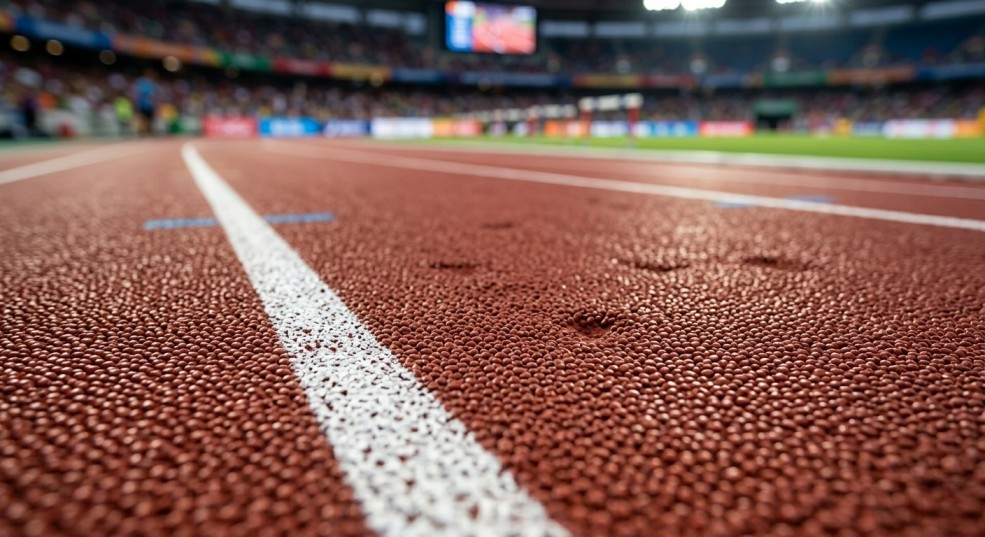
6. 🟧Prefabricated Rubber Tracks
✅ Features:
✔ Factory-made sheets
✔ Consistent quality
✔Quick installation
🎯 Best For:
- Professional stadiums
- Quick installation projects
👉 Offers uniform performance and durability.
📊 Comparison Table: Running Track Surfaces
| Surface Type | Durability | Maintenance | Cost | Performance Level | Best Use |
| Synthetic (PU) | Very High | Low | ₹₹₹ | Professional | Stadiums |
| Prefabricated Rubber | Very High | Low | ₹₹₹₹ | Elite | International tracks |
| Cinder Track | Low | High | ₹ | Basic | Rural areas |
| Grass Track | Low | Medium | ₹ | Recreational | Schools |
| Sand Track | Low | High | ₹ | Training | Fitness |
🏆Which Running Track is Best?
🥇 Best Overall:
👉 Synthetic PU Running Track
🥈 Best Premium Option:
👉 Prefabricated Rubber Track
🥉 Best Budget Option:
👉 Cinder or Sand Track
⚠️Common Mistakes to Avoid
❌ Choosing low-cost materials for professional use
❌ Ignoring drainage system
❌ Poor base construction
❌ Lack of maintenance planning
❌ Not following standard dimensions
📌 Conclusion
Choosing the right running track surface is crucial for performance, safety, and long-term durability.
👉For professional use -> Synthetic PU or rubber tracks
👉 For schools -> Synthetic or grass tracks
👉 For budget projects -> Sand or cinder tracks
💡 Always consider usage, budget, and maintenance before making a decision.
❓ Frequently Asked Questions (FAQs)
1.What is the best running track surface ?
Synthetic PU tracks are considered the best.
2. What is a synthetic running track?
A track made using polyurethane or rubber materials.
3. Which track is used in Olympics?
Prefabricated rubber or high-quality synthetic tracks.
4. Are grass tracks good for running?
Only for recreational use.
5. What is the cost of running tracks ?
Ranges from ₹500 to ₹3000+ per sq. meter.
6. Which track requires least maintenance?
Synthetic and rubber tracks.
7. Are cinder tracks still used?
Yes, but mostly in rural areas.
8. Which track is safest?
Synthetic tracks with shock absorptions.
9. Can tracks be used in all weather?
Synthetic tracks are weather-resistant.
10. How long do tracks last?
8-15 years depending on type.
11. Is drainage important?
Yes, especially for outdoor tracks.
12. Can tracks be repaired?
Yes, synthetic tracks can be resurfaced.
13. Which is best for schools?
Synthetic tracks.
14. What is PU track?
Polyurethane-based running tracks.
15. Is sand track good for athletes?
Only for training.
16. Which track is eco-friendly?
Grass tracks are more natural.
17. Can old tracks be upgraded?
Yes, with resurfacing.
18. What thickness is required?
Depends on system design.
19. Is installation complex?
Yes, requires professionals.
20. Which is best overall?
Synthetic PU track.

Proudly powered by MSG SPORTS INFRATEK INDIA LLP